
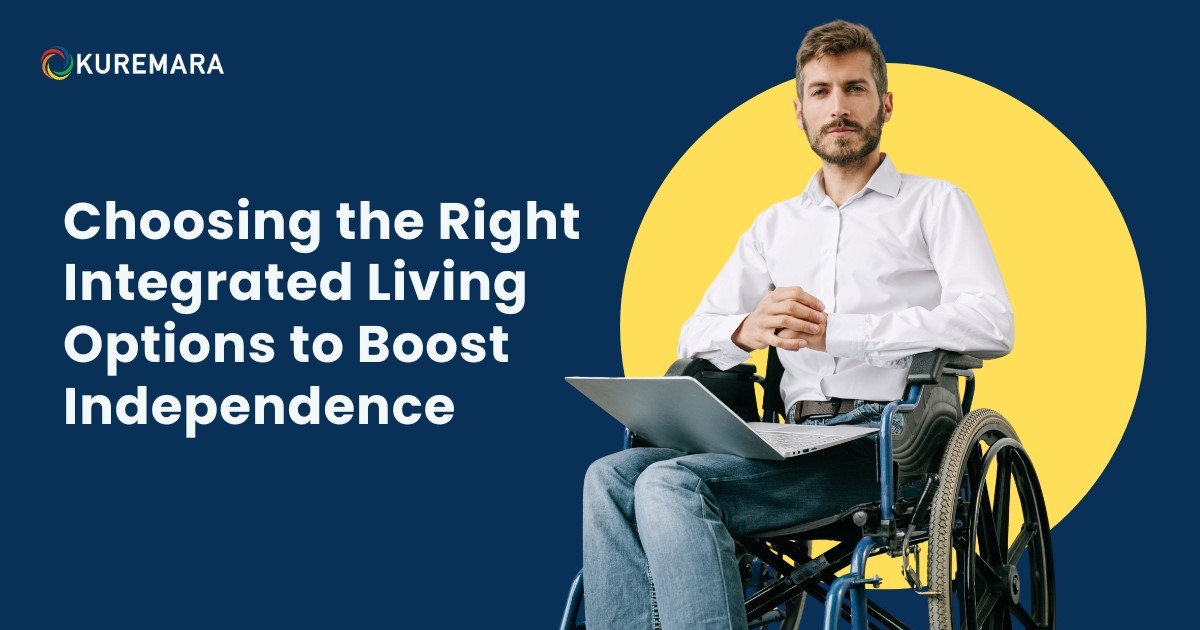
Finding disability support that truly enhances independence and daily life is one of the most meaningful steps an NDIS participant can take. In Brisbane, the conversation often turns to how supports can empower choice, build capability, and make everyday life feel more manageable and enjoyable. Integrated Living Options (ILO) is a support category under the NDIS that fills exactly this role, it’s designed to help participants pursue real‑world goals, increase social and community participation, and gain confidence in decision‑making, routines, and life skills.
ILO is not about passive assistance. It’s about active partnership between the participant and a skilled support team. This partnership works best when the right provider, tailored supports, and local Brisbane understanding come together. That synergy helps participants not just live, but live with purpose, connection, and momentum.
Whether participants are seeking help in daily routines, expanding their social networks, developing skills for independence, or navigating community engagement, ILO can be a key support that bridges aspirations and actual lived experience.
What Integrated Living Options (ILO) Really Means
Integrated Living Options is a support category under the NDIS that focuses on enabling participants to develop skills and independence across different areas of life. Unlike direct personal care or clinical supports, ILO emphasises guidance and learning in real‑life settings, such as at home, in community environments, or through social participation.
ILO assists participants in making choices that affect their daily routines, supports community involvement, and builds confidence in acting independently or collaboratively with support workers. The core idea is to help people build life skills that they can continue using long after specific support sessions have ended.
Supports under ILO can include:
- Assistance to learn routines and build life skills
- Helping to develop confidence in social or group activities
- Guidance around budgeting, transport, and community participation
- Support in navigating daily decision‑making processes
- Co‑designing personalised strategies for achieving participant goals
ILO is inherently about growth rather than just maintenance. For participants and families exploring options in Brisbane, it is important to look at how ILO services are delivered, not only what’s written on paper, but how supports translate into better everyday life.
Why Brisbane Participants Look for Specific Support Options
Brisbane is a city of diverse needs, cultures, and community opportunities. Many participants want to integrate into local activities, volunteer groups, education settings, or employment pathways — and they need support that helps them do this meaningfully rather than forcing them into passive routines.
This is why many families and coordinators search for terms like ILO Provider Brisbane , because they are looking for services that are both locally responsive and genuinely tailored to personal goals.
The right ILO provider can make a difference in:
- How participants engage with their community
- Whether goals are reflected in practical support plans
- How supports align with cultural or lifestyle preferences
- How consistently progress is tracked and communicated
In Brisbane, where community opportunities are rich but navigating them can be overwhelming without the right support, this alignment matters. It’s not just about ticking a box in a plan — it’s about building life skills that help participants live with greater autonomy and confidence.
What Good ILO Support Looks Like
When assessing or comparing support options in Brisbane, here are key factors that distinguished high‑quality ILO services:
- Individualised planning
- Support arrangements are built around the participant’s goals — not generic templates.
- There’s clear discussion about what success looks like in practical terms.
- Skill‑focused approaches
- ILO services help participants build lasting routines, capabilities, and confidence.
- Supports are designed to transfer skills into daily life rather than simply “doing things for” the participant.
- Community integration emphasis
- Providers help bridge into local activity groups, volunteer settings, community events, or social networks.
- Transport, access planning, and real‑world practice are part of the support.
- Cultural responsiveness and choice
- Supports respect cultural backgrounds, preferences, and lifestyle choices.
- Participants are asked about preferences, not told what will happen.
- Collaborative communication
- Families, allied health, support coordinators, and participants feel informed and included.
- Progress tracking, feedback loops, and open communication are part of the support model.
- Outcome documentation
- Good providers document skills gained, routines developed, and progress toward goals.
- This information is useful for plan reviews and ongoing planning decisions.
These points make a difference not only in daily life but in long‑term growth. Participants who receive ILO support with these qualities often describe feeling more confident, more connected, and more in control of their choices and daily activities.
Why Choosing the Right Provider Matters
Integrated Living Options is more than a service category — it’s an approach that prioritises personal autonomy, community participation, and life skills development. Because of this, it’s vital to choose a provider who not only understands the NDIS framework but also lives and breathes participant‑led support.
Some red flags that a provider may not be aligned with meaningful ILO support include:
- Using a “one‑size‑fits‑all” support plan
- Lack of clarity on how skills are transferred into daily life
- Minimal communication with the participant or their support network
- Rigid scheduling that does not adapt to goals and preferences
- Inability to demonstrate growth, progress reports, or outcome data
You deserve more than checkboxes — you deserve support that helps you grow.
How Kuremara Delivers Integrated Living Support in Brisbane
Kuremara is a registered disability provider offering a range of NDIS services in Brisbane — including Integrated Living Options (ILO), complex care, support coordination, community access, transport support, SIL, mental health support, and more. Kuremara’s official website emphasises person‑centred planning, local engagement, and tailored support that aligns with individual goals.
Kuremara’s ILO Approach
Kuremara’s Brisbane services show a strong emphasis on collaborative planning, participant choice, and building everyday life skills. Specifically, their ILO support approach includes:
- Goal‑based planning that reflects each participant’s ambitions
- Skill development assistance focused on routines and independent choice
- Community participation support that helps move beyond home‑based goals
- Clear communication pathways with families, coordinators, and allied health
- Safe and respectful support systems that prioritise dignity and independence
This integrated approach ensures that supports are not just available — they are meaningful.
What Makes Kuremara Stand Out
Kuremara’s Brisbane pages and service descriptions demonstrate an understanding that good disability support should be:
- Personalised and participant‑led — not generic solutions
- Responsive to change — adapting as goals evolve
- Community‑oriented — connecting participants with local Brisbane opportunities
- Transparent in process and communication — with clear reporting and collaboration
Participants looking for ILO Support Brisbane may find Kuremara’s integrated model appealing. Kuremara offers support that goes beyond a single service, creating a broader ecosystem that includes coordination, community access, and ongoing skill building.
Their Brisbane service pages provide contact details and enquiry pathways, making it easy for participants, families, or support coordinators to explore whether Kuremara’s approach fits their needs.
How ILO Support Helps Participants in Everyday Life
Integrated Living Options can unlock a range of practical and personal benefits. Here are a few ways ILO support can impact daily life for NDIS participants:
- Greater confidence in community environments
- Practical practice helps overcome barriers to access local events, groups, or participation opportunities.
- Better routines and decision‑making skills
- ILO helps participants learn how to make choices that align with goals and personal preferences.
- Stronger social engagement opportunities
- Supports help participants connect meaningfully with peers, community settings, and interest groups.
- Enhanced independence in everyday tasks
- From transport use to budgeting basics, ILO focuses on skills—not just assistance.
- Reduced reliance on others for routine decisions
- By building confidence and capability, ILO supports shift participants toward autonomy.
These benefits are not theoretical. Individuals who experience skilled ILO support often report better quality of life, more meaningful participation in community activities, and increased confidence in managing daily routines with less anxiety.
Conclusion
Integrated Living Options can be a transformational support category in an NDIS plan, especially when delivered by providers who prioritise personal growth, meaningful community participation, and skill development. In Brisbane, where community opportunities are abundant and lifestyles are dynamic, the right ndis ilo provider, can make a lasting difference in how a participant engages with life, develops independence, and builds confidence in everyday choices.
Choosing the right ILO support is about more than finding a service. It is about finding a team that understands the participant’s goals, communicates clearly, and builds flexible support around their everyday life. Kuremara reflects this approach by offering personalised guidance that feels less like a standard service and more like a trusted partnership, helping participants build confidence, connection, and greater control over their future.